curbside compost service near me

compost agriculture


There are numerous advantages to composting, consisting of reducing the quantity of waste sent out to garbage dumps, minimizing dependence on chemical fertilizers, and improving the quality of the soil. Composting likewise lowers greenhouse gas emissions from breaking down organic materials in land fills.


The secret to success is guaranteeing that your garden compost stack has the best ratio of carbon to nitrogen. Nitrogen-rich products include fresh turf clippings, manure, and food scraps.

small farm composting

small farm composting


Organic composting is a process of breaking down raw material into a nutrient-rich soil change. Composting is an outstanding way to recycle farm and garden waste, such as plant trimmings, leaves, and manure. It is also a great way to enhance the soil on your farm or garden.

fleet farm compost


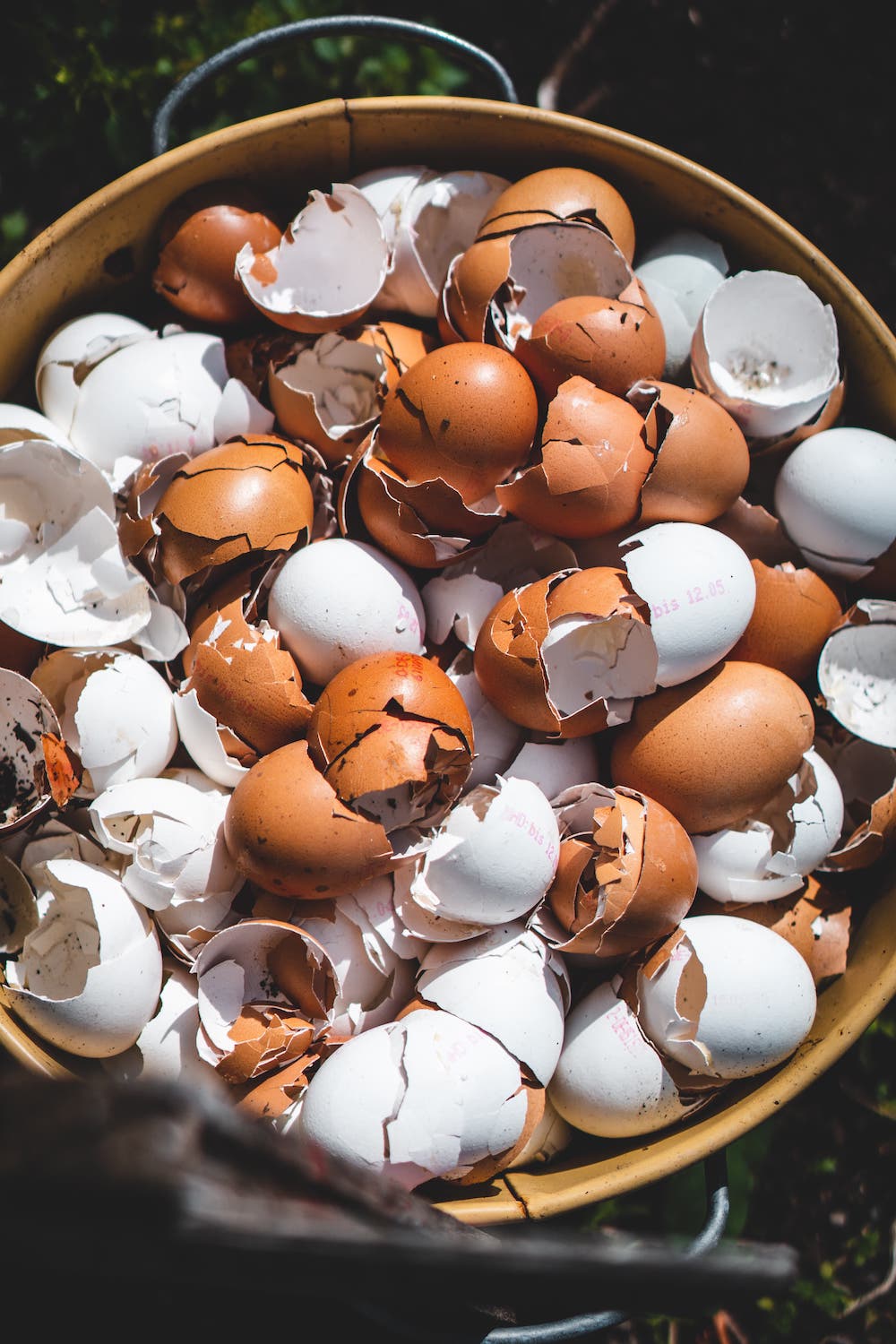
Among the best materials for composting is kitchen waste. This includes things like fruit and vegetable scraps, coffee grounds, and eggshells. You can also add in manure from herbivorous animals like rabbits, goats, and chickens. Avoid using meat, bones, or dairy products as they will bring in pests and take longer to decay.

fleet farm compost
compost spreading service

compost spreading service


Organic composting is a procedure of decomposing organic matter, such as food scraps and backyard waste, into a nutrient-rich soil amendment. Composting is a efficient and easy way to decrease waste, enhance soil health, and promote plant growth.

how to make a composter farm in minecraft


To make natural garden compost for a small to medium sized farm or garden, you will require to gather leaves, lawn, and other organic matter. You can likewise utilize manure from herbivores, such as bunnies or horses. You will require to mix these ingredients together and put them in a compost bin. Every few days, you should turn the compost so that it aerates. After about two weeks, the compost must be ready to use.

fleet farm compost

how to make worm farm compost


Compost tea is an excellent way to get the most out of your garden compost. Little to medium sized gardens and farms can benefit from creating their own compost by following these easy steps: Choose a location for your garden compost bin or stack that is close to a water source and has excellent drain. To make garden compost, you will require a garden compost bin or stack, organic matter, and water. To make organic compost tea, you will require a 5-gallon bucket, water, organic matter such as garden compost, manure, or leaves, and an aerator or fish tank bubbler.

how to make worm farm compost

Frequently Asked Questions

Whether you're an amateur garden enthusiast or a pro, there are numerous methods to make garden compost. The process of making compost is reasonably simple, and it's an easy task for any garden enthusiast to tackle.

Not just does composting improve the health of your soil, however it also presents useful organisms into your soil. Not to discuss, it also assists to reduce your carbon footprint by recycling kitchen and yard waste, which you can then utilize in your garden to grow healthy vegetables and flowers.

A compost heap need to be turned frequently. The procedure doesn't have to be big, however it needs to be regular enough to help the active ingredients decompose properly. In addition, turning your compost pile will expose fresh products and permit helpful organisms to work their magic. Turning it every 2 to four weeks will ensure the best outcomes. Simply be sure to keep your compost heap moist. If you don't do this, your stack will not decay as rapidly.


If you've ever wondered how to make compost, you're not alone. Whether you're a newbie gardener or a pro, there are a number of methods to make compost. The process of making garden compost is fairly basic, and it's a simple project for any gardener to deal with.

You may be wondering how to begin composting. Here are some steps to get you began. To make your compost heap more helpful, mix browns and greens similarly. Browns feed the compost breaking organisms; greens supply the nitrogen required for soil structure. You can likewise use tea bags or seaweed. The primary objective is to develop a moist compost heap. It takes around a year to fully compost. To optimize the benefits of your compost, follow these tips.

It is crucial to remember that a garden compost pile needs to be turned often. Garden compost in a warm climate will break down more rapidly than those in cooler environments. You ought to turn your compost stack every 2 weeks in the spring, four weeks in the fall, and four weeks in the winter season.

Utilizing kitchen area garden compost bins is the simplest way to get begun. Green waste will add nitrogen to your compost load, while brown waste will add carbon. Make sure that you utilize a garden compost bag to gather the compost after every composting.


Browns feed the compost breaking organisms; greens supply the nitrogen required for soil structure. Using kitchen area compost bins is the simplest method to get begun. Green waste will add nitrogen to your compost load, while brown waste will include carbon. Make sure that you use a compost bag to collect the compost after every composting.

To start a garden compost pile, you will require some damp active ingredients such as vegetable peelings, fruits, tea bags, and lawn clippings. - and make sure to add sufficient water to keep the stack moist.

You need to integrate green and brown products when it comes to composing your compost pile. Brown products include dry leaves, shredded newspaper, hay, and straw. Green products consist of kitchen area scraps, coffee grounds, and fresh plant and yard trimmings. Mix 2 parts of green products with one part of brown. Mix everything together till you reach the best consistency for decomposition. You can likewise mix some dry materials, such as manure, into the pile.

The stack needs to feel not soggy however wet. It's likewise essential to aerate it every few weeks. Aeration likewise helps the garden compost pile keep the heat in while preventing the loss of nutrients in rain.

After including the products, turn the pile routinely to integrate the bottom layer. Diggs suggests turning your stack every seven to 10 days. If you're not sure whether to turn your stack, think about consulting a professional to assist you.


To begin a compost pile, you will require some wet components such as vegetable peelings, fruits, tea bags, and turf clippings. When it comes to composing your compost pile, you should combine brown and green products. You can also blend some dry products, such as manure, into the stack.

Aeration also assists the compost pile keep the heat in while avoiding the loss of nutrients in rain.